


Preparing Your Michigan Home for Aging in Place Home Modifications: A Room-by-Room Guide
As Michigan’s population ages, more families are choosing to help their loved ones age in place rather than move to assisted living facilities. Creating a safe, accessible home doesn’t have to mean sacrificing style or comfort. With the right home modifications, your house can support independence and dignity for years to come.
At Senior Home Solutions, we’ve helped thousands of Michigan families and older adults transform their homes into safer, more accessible spaces with our home modification program. Here’s our comprehensive room-by-room guide to preparing your home for aging in place.
Entryways and Exterior Access
Your home’s entry points are often the first barrier to accessibility. Steps, uneven surfaces, and narrow doorways can make entering and exiting your home dangerous or impossible for older adults and people with disabilities or mobility challenges.
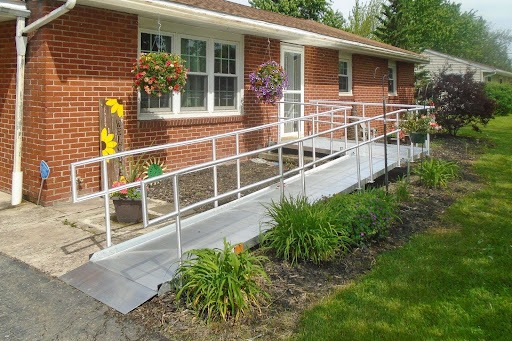
Wheelchair Ramps: The most critical modification for wheelchair users is a wheelchair ramp. Whether you’re recovering from surgery or dealing with long-term mobility issues, a properly installed ramp provides safe, independent access to your home. For temporary needs like post-surgery recovery, a wheelchair ramp rental offers flexibility and cost savings. For permanent accessibility solutions, wheelchair ramp purchase options include modular aluminum ramps that can be reconfigured if you move or your needs change.

Threshold Modifications: Even small steps can pose risks. Rubber wedge ramps provide an affordable solution for doorway thresholds and single-step obstacles, creating smooth transitions between rooms or from garage to home.
Stair Rails: If you have exterior stairs leading to your home, professionally installed stair rails on both sides provide crucial support and stability, especially during Michigan’s icy winter months.
Bathrooms: The Highest Priority
Bathrooms are where most home accidents occur for seniors. Wet, slippery surfaces combined with tight spaces and hard fixtures create a dangerous environment.
Tub to Shower Conversions: Traditional bathtubs require stepping over a high wall, creating a significant fall risk. A tub2shower conversion (also called a shower conversion) replaces your bathtub with a low-threshold or zero-entry shower. This modification dramatically reduces fall risk while making daily hygiene easier and more dignified. Walk-in showers with built-in seating are particularly popular among our Michigan clients.
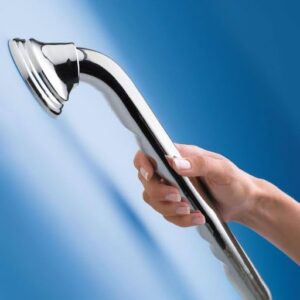
Grab Bar Installation: Properly installed grab bars are essential bathroom safety features to prevent falls. Unlike towel bars, which aren’t designed to support body weight, grab bar installation by professionals ensures they’re anchored into wall studs and can support 250+ pounds. Strategic placement near the toilet, inside the shower, and near the bathtub provides support where it’s needed most.
Additional Bathroom Modifications:
- Raised toilet seats for easier transfers
- Handheld showerheads for seated bathing
- Non-slip flooring or textured surfaces
- Improved lighting with motion sensors
- Comfort-height vanities for wheelchair accessibility
Hallways and Stairs
Michigan homes often feature multi-level layouts with stairs connecting living spaces. These transitional areas require special attention.
Handrails and Stair Rails: Installing stair rails on both sides of stairways provides support and confidence when navigating between floors. Handrails should extend beyond the top and bottom steps for maximum safety for seniors.
Stairlifts: For homes where stairs are unavoidable, stairlifts offer an excellent solution. These motorized chairs glide along a rail system installed on your staircase, allowing safe access to upper or lower levels without the physical strain of climbing.
Hallway Considerations:
- Wider doorways (36 inches minimum for wheelchair access)
- Improved lighting with switch accessibility
- Clear pathways free from tripping hazards
- Contrasting colors between walls and floors for those with vision changes
Kitchen Modifications
The kitchen should remain a place of independence and enjoyment, not frustration.
Counter Height Adjustments: Lowering sections of countertop allows wheelchair users to prepare meals comfortably. Pull-out cutting boards provide additional accessible workspace.
Cabinet Modifications: Pull-out shelves, lazy Susans, and drawer organizers make accessing dishes, pots, and pantry items easier without excessive reaching or bending.
Safety Features:
- Lever-style faucets that are easier to operate than knobs
- Front-control ranges to eliminate reaching over hot burners
- Task lighting under cabinets
- Anti-slip flooring
- Grab bars near major appliances for transfer support
Bedrooms and Living Areas
Creating accessible, comfortable living spaces ensures quality of life throughout the home.
Bedroom Accessibility:
- Clear pathways around the bed (minimum 36 inches)
- Adjustable-height beds for easier transfers
- Accessible light switches and outlets
- Grab bars near the bed for support when standing
Living Room Considerations:
- Furniture arrangement that allows easy navigation
- Lift chairs for assistance standing
- Accessible storage at reachable heights
- Appropriate lighting levels
Planning Your Home Modifications
The key to successful aging-in-place modifications is planning ahead. Don’t wait until an accident or emergency forces rushed decisions. Here’s how to get started:
- Assess Current and Future Needs: Consider not just today’s challenges but potential future mobility changes. A wheelchair ramp rental might meet immediate post-surgery needs, while planning for eventual wheelchair ramp purchase ensures long-term accessibility.
- Consult with Professionals and Specialists: Occupational therapists can assess your specific needs, while experienced contractors like Senior Home Solutions ensure modifications meet ADA accessibility standards and Michigan building codes.
- Prioritize Safety-Critical Modifications: Start with grab bar installation, shower conversions, and entry accessibility before moving to convenience upgrades. Fall prevention can save lives.
- Consider Financing Options: Explore Medicare, Medicaid, VA benefits, and Michigan-specific assistance programs that may help cover modification costs.
Your Partner in Aging in Place
Creating an accessible home doesn’t mean compromising on aesthetics or comfort. Today’s accessibility solutions are designed to blend seamlessly with your home’s existing style while providing the safety and independence you deserve.
From wheelchair ramp rental and purchase to tub2shower conversions, professional grab bar installation, and ADA bathroom remodeling services, the Senior Home Solutions has served Michigan families for over 20 years. We understand the unique challenges of aging in place in Michigan homes and provide solutions that work.
Ready to make your Michigan home safer and more accessible? Contact Senior Home Solutions today for a free consultation and discover how we can help you or your loved one age in place with dignity, independence, and peace of mind.
Frequently Asked Questions About Home Modifications for Aging in Place
Q: What are the most important aging in place home modifications to start with?
A: The most critical modifications prioritize safety and fall prevention. We recommend starting with bathroom safety features like grab bar installation and tub to shower conversions, as bathrooms are where most senior accidents occur. Next, address entryway accessibility with wheelchair ramps or threshold modifications, followed by stair rails throughout your home. These foundational changes significantly reduce fall risks and provide immediate safety improvements.
Q: How much do home modifications for elderly family members typically cost?
A: Costs vary widely depending on the scope of modifications. Simple grab bar installation might range from $150-$200 per bar when professionally installed, while a complete tub to shower conversion typically costs $3,000-$8,000. Wheelchair ramps average $150-$350 per linear foot for permanent installations, though wheelchair ramp rental options (starting around $200/month) provide affordable solutions for temporary needs. Many Michigan families qualify for financial assistance through Medicare, Medicaid, VA benefits, or state programs that can help offset these costs.
Q: What home accessibility modifications are covered by Medicare or insurance?
A: Coverage varies, but Medicare may cover certain durable medical equipment and modifications deemed medically necessary, particularly grab bars and wheelchair ramps when prescribed by a physician. Medicare Advantage plans sometimes offer more comprehensive coverage for home modifications. Veterans may qualify for VA grants specifically for accessibility modifications. We recommend consulting with your healthcare provider and insurance company to understand your specific benefits, and our team can help you navigate available Michigan assistance programs.
Q: Can I rent accessibility equipment instead of purchasing it?
A: Yes! Wheelchair ramp rental is an excellent option for temporary needs such as post-surgery recovery, rehabilitation periods, or short-term mobility challenges. Rental programs offer professional installation and removal, making them cost-effective for situations lasting a few months to a year. However, for permanent accessibility needs, purchasing modular aluminum ramps often provides better long-term value and can be reconfigured if you move or your needs change.
Q: How do I know which home modifications for aging in place are right for my situation?
A: The best approach is a professional assessment that considers both current and future needs. We recommend consulting with an occupational therapist who can evaluate your specific mobility challenges and living space, then working with experienced contractors like Senior Home Solutions who understand Michigan building codes and ADA accessibility standards. This comprehensive approach ensures modifications are safe, functional, and tailored to your unique situation—preventing the need for costly changes later as needs evolve.